
What do “power” and “leadership” mean to you?
Power is not inherently good or bad, it’s what you do with it. Some use it for good and make a difference in the world. Watch here to discover Leonid Simonovsky’s story, who was told by his mother to run to the forest because she knew that if he stayed with her, he would be killed.
Leonid’s mother had the power to save him. Leonid had the power to be kind.
Symbols of power
Throughout the entire history of humanity, power has been at the centre of everything. Every single war in the world has been fought for power. Power can be used for both good and bad, and while power in itself is neither good nor evil, it is how it is wielded that determines its nature.
People’s obsession with power is evident in the many symbols that represent power and leadership, most of which go far back in time. Here are some ancient symbols of power, many of which are still used today:
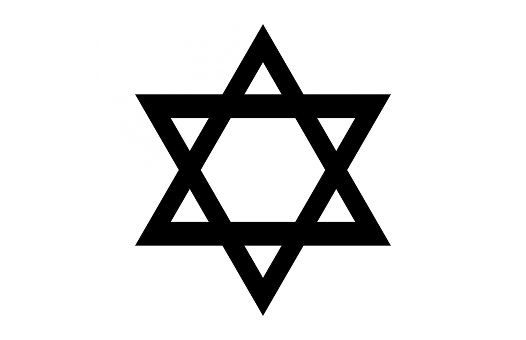
Star of David
Prevalent in: Judaism
In Judaism, true power is achieved when man is connected with the Creator. This is what the Star of David represents. The upward-pointing triangle symbolises the divinity of the Creator, while the downward-pointing triangle represents humanity.
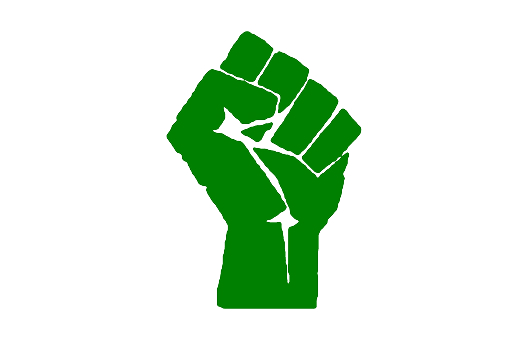
Raised Fist
Prevalent in: Resistance against oppression movements
Historically, the raised fist has been a symbol used to depict power to the people. It is a symbol of defiance against authoritarian rule and is used to represent resilience as well as facing adversity to take back power to the people.
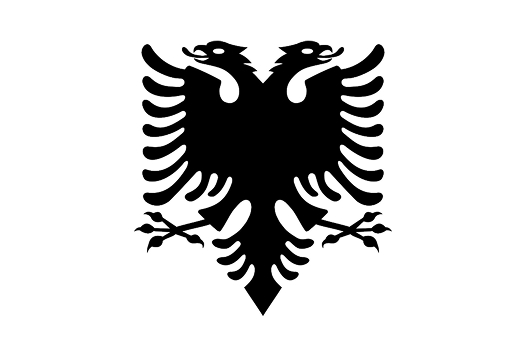
Double-headed Eagle
Prevalent in: The Roman and Byzantine Empires
Used in many empires ever since the Roman Empire, this is the symbol of power and dominion. Even today, some countries still have the double-headed eagle on their flag or their coat of arms.

The Wheel of Being
Prevalent in: Celtic tribes
Also known as the Wheel of Balance, the four circles around the centre circle represent the four elements or the four seasons, and the central circle symbolises: unity, connectedness, and balance between them. Druids believed that striking the perfect balance between all opposing things is the true mark of power.
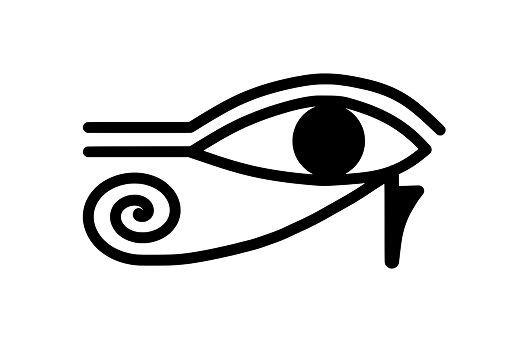
Eye of Ra
Prevalent in: Ancient Egypt
One of the most famous Egyptian symbols, the Eye of Ra represents the absolute power and authority of the sun god Ra and the pharaoh who ruled in his stead. The Eye of Ra was believed to possess incredible power and it was to be used to strike down Ra’s enemies.
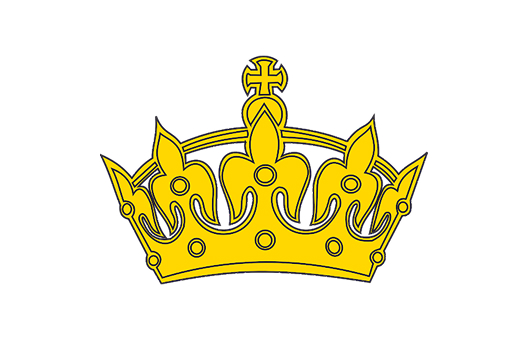
The Crown
Prevalent in: Everywhere
The symbol of a crown is one of, if not the most universally recognisable symbol of rule and authority across most human cultures. Crowns have always symbolised power and rule, and are deeply engraved in our minds as the ultimate symbol of authority.
Question:
Can you think of any other symbols of power?
Answer:
Leadership skills
Two people may have the same leadership skills which help them rise to power. What makes them good or bad leaders is how they use their power. Let’s look at communication skills, for example, making speeches and using words to influence others.
Speech and confidence are key skills which helped Adolf Hitler achieve power in Germany. After it lost the First World War, Germany was a defeated and humiliated nation. The country was economically and morally crippled, so people were angry at their leaders. When people are angry at their leaders, they want hope and change. Hitler managed to woo the people over by blaming the country’s defeat and humiliation on the Jews. He did so by making eccentric and loud speeches that got the people’s attention.
In 1922, Hitler created the Hitler Jugend (Hitler Youth), so by the time he came to power in 1933, there were a large number of Germans who shared Hitler’s dream of a “Master Race.” The Hitler Youth brainwashed children through all forms of propaganda (e.g. rallies, summer camps, posters) and for many of them, Hitler became more important than their own parents.
Hitler was an expert in showing confidence, vision and determination in a destroyed German nation, and gained power because of his leadership skills. History shows that Hitler used his power for evil, by blame, and by promoting violence, alienation and hate, but he was still a skilled leader nonetheless.
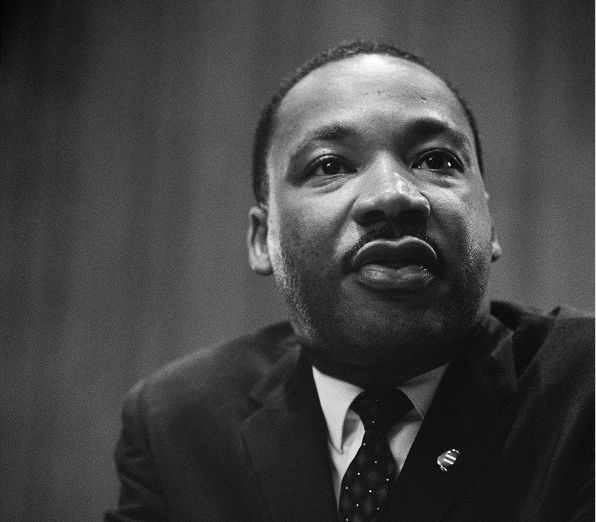
Let’s take a look at the personality of Martin Luther King Jr., or MLK in the USA, who showed confidence, vision and determination through his speeches. Speech and confidence were also MLK’s key leadership skills, which he used as a way to bring people together through peace. He was one of the main leaders of the US Civil Rights Movement in the 1960s. After centuries of black Americans being enslaved and later segregated (not having the same rights) from white people, MLK was a pioneer in equal rights.
MLK believed in non-violence but refused to obey the unjust laws of segregation. He inspired many people by sharing love and understanding instead of anger and violence. He cared for his people, and they followed him. He used his leadership skills for good.
Belarusian Partisans
When the German troops invaded Belarus in Operation Barbarossa in 1941, Belarusian civilians were met with a choice: collaborate with the Germans or resist. If Belarusians collaborated, their lives would not be in danger, and sometimes the quality of life for active Nazi collaborators would be better than the average Belarusian’s. If people chose to join the resistance, they would put not only their own lives on the line, but the lives of their families, their communities and villages. The Einsatzgruppen and the SS (Schutzstaffel) were notorious for their barbaric acts against civilians, to demoralise and prevent people from joining the resistance.
One of the main ways of resisting the Germans was for civilians to join the Partisans, irregular military groups scattered across the Soviet Union, particularly in the thick forests of Belarus. Joining the partisans meant living in the forests and swamps, through the dead of winter and the heat of summer, constantly on the lookout for Germans.
Some Jews who were able to escape the Germans joined Jewish partisan groups. The most famous Jewish partisan group was led by the Bielski brothers in the forest near Navahrudak. The unit was led by the eldest brother Tuvia Bielski, who had been trained in the Polish army. He made his unit a refuge for those who managed to escape the Holocaust atrocities committed by the Germans.
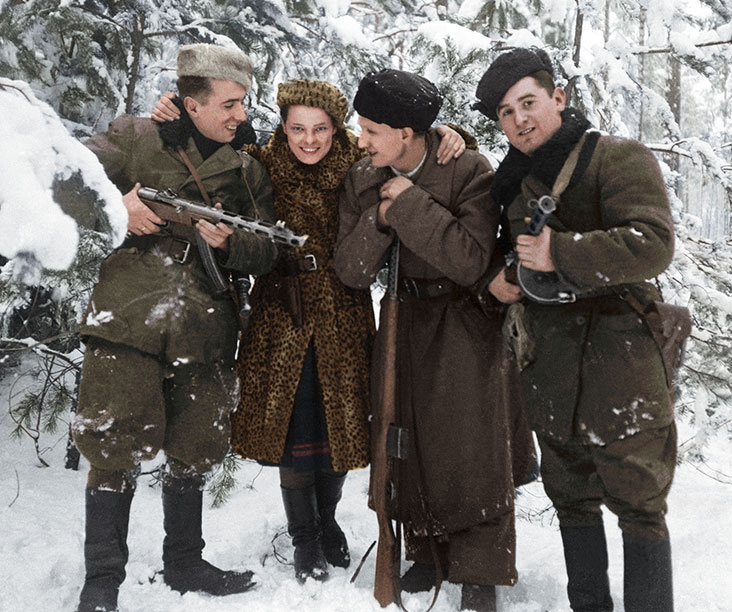
By 1944, Tuvia’s unit provided shelter to around 1300 Jews. There were other Jewish partisan units, like one led by Shalom Zorin, whose camp in the forest specifically provided refuge to those who were not able to fight, many of whom were children and the elderly from the Minsk Ghetto. The Bielski partisans, along with other Jewish partisan units, were often left to fend for themselves. The local population did not help them, sometimes because of antisemitism, but very often because they feared the violent reprisals by the Germans. Hundreds of Belarusian villages were burnt as collective punishment to instil fear in the population, which deterred them from helping the resistance movements.
Navahrudak is in Western Belarus – it was part of Poland before 1939, where there was a great variety of identities. The Jewish Bielski partisans fought in the forest that used to be Polish territory, which then became Soviet and is now in Belarus. The Bielski partisans story has been immortalised in the 2008 film Defiance (starring Daniel Craig as Tuvia). After the war the Soviet government closed their archives and did not allow these important stories to become known. This story is just one of the few surviving moments of Jews regaining power and fighting back.
What is true power and leadership?
Leadership skills are not inherently good or bad, it is how you use these skills that determine what kind of leader you are.
Some become leaders with the help of self-confidence, inspiration, determination, aspiration and faith. They use their leadership qualities and call people to action, as, for example, Tuvia Bielski did. Such people create positive changes in the lives of others.